other

News

  • An Engineering Analysis of Co-Extruded WPC Decking Profiles and Superior Material Performance

    Technical Bulletin | Material Science & Engineering An Engineering Analysis of Co-Extruded WPC Decking Profiles and Superior Material Performance The performance of outdoor flooring is dictated by strict physical laws. Prolonged exposure to ultraviolet radiation, hydrostatic pressure from standing water, and extreme seasonal temperature fluctuations quickly degrade standard timber and early-generation plastics. To achieve a lifespan exceeding two decades, the manufacturing of eco-friendly wood plastic composite (WPC) must rely on advanced co-extrusion technology and specific internal geometries. This technical analysis explores the material science and engineering that define premium WPC profiles, transitioning from installation mechanics to the fundamental advantages that secure long-term value. 1. Co-Extrusion and the Physics of the Capping Layer The structural core of our decking is a high-density matrix of hardwood fibers and polymer resins. However, the critical defense mechanism is the 360-degree co-extruded capping layer. Unlike painted or superficially treated surfaces, this shield is extruded simultaneously with the core at temperatures exceeding 180°C, creating an inseparable molecular bond. The co-extruded capping layer acts as an impermeable shield, while the localized compression during 3D embossing creates an ultra-dense, low-porosity surface. When manufacturing deep embossed WPC decking, the heavy-duty thermal rollers do more than just imprint an aesthetic wood grain. The extreme mechanical pressure required to create the 3D texture compresses the polymer shield, reducing its microscopic porosity to virtually zero. This yields a water absorption rate of less than 1.0% over a 24-hour submersion test, effectively eliminating the risk of internal freeze-thaw fracturing during winter months. 2. Internal Geometry: The Arch Principle of Circular Hollow Cores A cross-sectional analysis reveals the calculated engineering behind the profile design. While solid boards offer maximum density, they unnecessarily increase the dead load on substructures. Conversely, square-hollow profiles introduce 90-degree internal angles, which act as stress concentration points under heavy impact loads. Our Circular Hollow Core geometry utilizes the 'Arch Principle' to distribute vertical forces (F) evenly through the stable web walls, reducing material weight while maintaining rigidity. Our profiles utilize a Circular Hollow Core geometry. This design leverages the architectural "Arch Principle." When downward force—such as foot traffic or heavy patio furniture—is applied to the surface, the circular voids distribute the kinetic energy evenly down through the webbed walls into the joists. This structural optimization reduces the overall material weight by approximately 30% compared to solid profiles, whilst maintaining exceptional flexural strength and minimizing deflection over standard joist spans. 3. Advanced Shield Technology: Eliminating Fade, Stain, and Maintenance The most significant advantage of our co-extrusion process is the comprehensive protection it affords against the common failure points of outdoor timber: UV degradation and stain penetration. Traditional decking requires annual sanding, sealing, or painting to counteract these forces, a liability that premium WPC eliminates. The non-porous polymer capping shield prevents wine, coffee, and oil from penetrating, making stains easily removable with basic cleaning. The high-density polyethylene (HDPE) cap is infused with industrial-grade UV inhibitors and antioxidants during the extrusion phase. This locks the color pigments at a molecular level, resulting in a fade resistance that vastly exceeds uncapped composites and natural wood. Furthermore, the non-porous nature of the shield provides an impermeable barrier against stubborn stains from food, oils, and red wine. Standing water beads on the surface rather than penetrating the core, ensuring the core remains dry and structural for decades. The resulting low-maintenance profile allows property owners to reallocate maintenance budgets toward other operational needs. 4. Superior Safety and Tactile Performance: The Anti-Slip Advantage Outdoor safety is paramount, particularly in commercial applications and wet environments like poolside decking. The engineering of 3D embossed composite decking explicitly addresses this through surface geometry. The tactile experience of our profiles is not merely aesthetic; it is a critical safety feature. Each ridge and groove of the realistic wood grain increases frictional coefficients, providing an anti-slip R11 rating even when wet. The intense localized compression during the deep embossing phase creates pronounced, high-friction ridges. This texture increases the effective surface area and frictional grip for footwear, breaking water surface tension and directing moisture into the drainage corridors. The resulting anti-slip PTV (Pendulum Test Value) far exceeds minimum safety requirements for wet PTV 36+. Additionally, this advanced texture delivers two further tactile benefits: first, it provides the premium, matte aesthetic and realistic touch of aged timber, bypassing the cheap, glossy look of PVC; second, it regulates surface temperature through diffuse reflection and natural airflow over the micro-shadows created by the ridges, making it more thermally comfortable than flat plastic decking in direct sunlight.

    Read More


  • The Rise of Unified WPC Outdoor Ecosystems & Single-Source Procurement

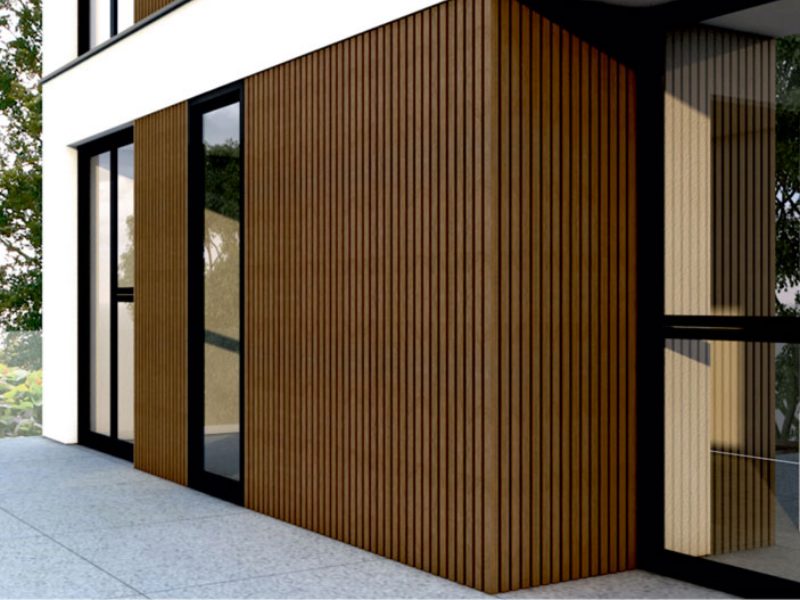
    Industry News & Trends | Architectural Design Beyond Decking: The Rise of Unified WPC Outdoor Ecosystems & Single-Source Procurement The concept of the "outdoor living space" has evolved from a simple backyard patio into a fully integrated architectural ecosystem. For commercial developers, architects, and wholesale distributors, piecing together exterior materials from disparate suppliers is no longer a viable strategy. The global market is rapidly shifting toward unified, single-source WPC procurement—seamlessly integrating decking, wall cladding, and perimeter fencing into one cohesive supply chain. The Aesthetic Dilemma of Fragmented Sourcing Historically, contractors sourced floor boards from one manufacturer and exterior cladding from another. This fragmented approach inevitably leads to the "Frankenstein effect." Because different factories utilize varying ratios of wood fiber and distinct polymer formulations, achieving a true color match is nearly impossible. Furthermore, materials from different sources will weather and fade at different rates, disrupting the visual harmony of a commercial property within just a few seasons. The industry has realized that fragmented sourcing compromises the long-term aesthetic value of the property. Architectural excellence requires material consistency. A unified WPC portfolio guarantees that facades, flooring, and perimeters perform as one cohesive unit. Building the Complete Envelope: The Ecosystem Approach Leading manufacturers have responded to this architectural demand by expanding beyond single product lines. Today's premium outdoor developments require a comprehensive suite of materials that speak the same design language: A synchronized approach ensures perfect color matching across facades, flooring, and fencing. By offering a full product category, the ecosystem approach covers every aspect of exterior design: High-Performance WPC Wall Cladding: Creates weather-resistant, visually striking building envelopes that perfectly complement the surrounding landscape. Co-Extrusion & 3D Embossed Decking: Provides the heavy-duty, anti-slip foundation for high-traffic pedestrian zones and commercial boardwalks. Integrated WPC Fence & Railing: Secures perimeters and defines spaces with structural integrity, without breaking the established aesthetic palette. Modular DIY Decking Tiles: Serves the booming urban residential market for rapid, click-and-lock balcony and patio upgrades. The Hidden ROI of Vendor Consolidation Beyond aesthetics, the pivot toward single-source procurement is driven by hard logistics. For B2B importers and wholesalers, managing multiple vendors across different time zones is a logistical vulnerability. Shipping containers can be strategically mixed with heavy decking boards and lighter wall cladding to optimize freight costs per unit. Most importantly, liability is simplified—project managers deal with a single point of contact for global warranties and support. Streamline Your Procurement Strategy From heavy-duty co-extrusion decking to elegant wall cladding and robust fencing, ECO WPC manufactures the complete outdoor ecosystem. Eliminate color mismatches and optimize your shipping today. Explore Our Full Product Categories

    Read More
  • Why Global Contractors are Phasing Out First-Generation Composites for Co-Extruded WPC in 2026

    Industry News & Trends | April 2026 Industry Insights: Why Global Contractors are Phasing Out First-Generation Composites for Co-Extruded WPC The outdoor building materials sector is undergoing a rapid technological shift. As climate conditions become more extreme and commercial clients demand zero-maintenance infrastructure, global procurement trends are showing a decisive pivot. Architects, wholesale distributors, and engineering contractors are officially phasing out traditional timber and first-generation uncapped composites, making capped WPC co-extrusion decking the new mandatory standard for outdoor projects. The Cost of "Good Enough" Materials For years, first-generation wood-plastic composites served as a functional alternative to natural wood. However, industry data from recent commercial projects reveals a critical flaw: without a protective outer shell, early-generation WPC remains susceptible to moisture absorption, UV fading, and mildew over prolonged periods. For commercial contractors and property developers, material failure is not just an aesthetic issue; it results in expensive warranty claims, frequent replacements, and damaged reputations. The industry has realized that saving marginally on initial material costs often leads to exponential maintenance expenses down the line. The shift to co-extrusion is not a trend; it is a structural necessity for modern architecture seeking a lower Total Cost of Ownership. The Co-Extrusion Standard: Engineering for the Future This widespread market realization has driven the exponential demand for Co-extruded Composite Decking Boards. By utilizing advanced dual-layer extrusion technology, manufacturers are now able to bond a highly durable, 100% polymer shield around a dense composite core. Dual-layer polymer shield technology ensures maximum weather resistance. This technological leap directly addresses the industry's most pressing pain points: Total Moisture Blockade: The capped surface eliminates water ingress, preventing swelling, warping, and cracking in marine environments. Zero-Fade Guarantee: Engineered UV inhibitors within the polymer shield ensure the decking retains its original color profile for decades. Lifecycle ROI: While the upfront investment is slightly higher, the near-zero maintenance requirement delivers a significantly lower Total Cost of Ownership (TCO). Stabilizing the Global Supply Chain Beyond physical performance, the shift is also driven by supply chain stability. With global timber prices fluctuating unpredictably, large-scale distributors are seeking reliable, factory-direct manufacturing partners capable of delivering high volumes of engineered materials without compromising on quality or lead times. Inside ECO WPC: Scaling for Global Demand As a specialized manufacturer with over a decade of expertise in extrusion technology, ECO WPC is at the forefront of this industry transition. Operating 20 advanced co-extrusion lines with a monthly output exceeding 3,000 tons, our facility is engineered to support the growing global demand for premium weather resistant co-extrusion WPC decking. The market has spoken: the future of outdoor architecture relies on materials that can withstand both the elements and the test of time.

    Read More

leave a message

leave a message
If you are interested in our products and want to know more details,please leave a message here,we will reply you as soon as we can.
submit

Home

Products

WhatsApp

contact

leave a message
If you are interested in our products and want to know more details,please leave a message here,we will reply you as soon as we can.
Submit