

Why Does Composite Cladding Warp? How to Install WPC Facades Correctly?


Author
With years of experience in exterior building materials, I specialize in advanced wood-plastic composite (WPC) technologies. My goal is to help architects, contractors, and project managers navigate the complexities of modern decking solutions. By bridging the gap between structural engineering and sustainable design, I share practical insights to ensure your outdoor projects achieve maximum durability and the best possible ROI.
Alex Carter


A spectacular commercial facade is only as reliable as the hidden engineering beneath its surface. While architects are naturally drawn to the visual warmth and structural longevity of wood-plastic composite, the ultimate success of an exterior envelope rests on the shoulders of the installation contractor. When property developers encounter issues with warped exterior panels or moisture intrusion, forensic evaluations almost universally point to a failure in substructure planning rather than a defect in the composite material itself.
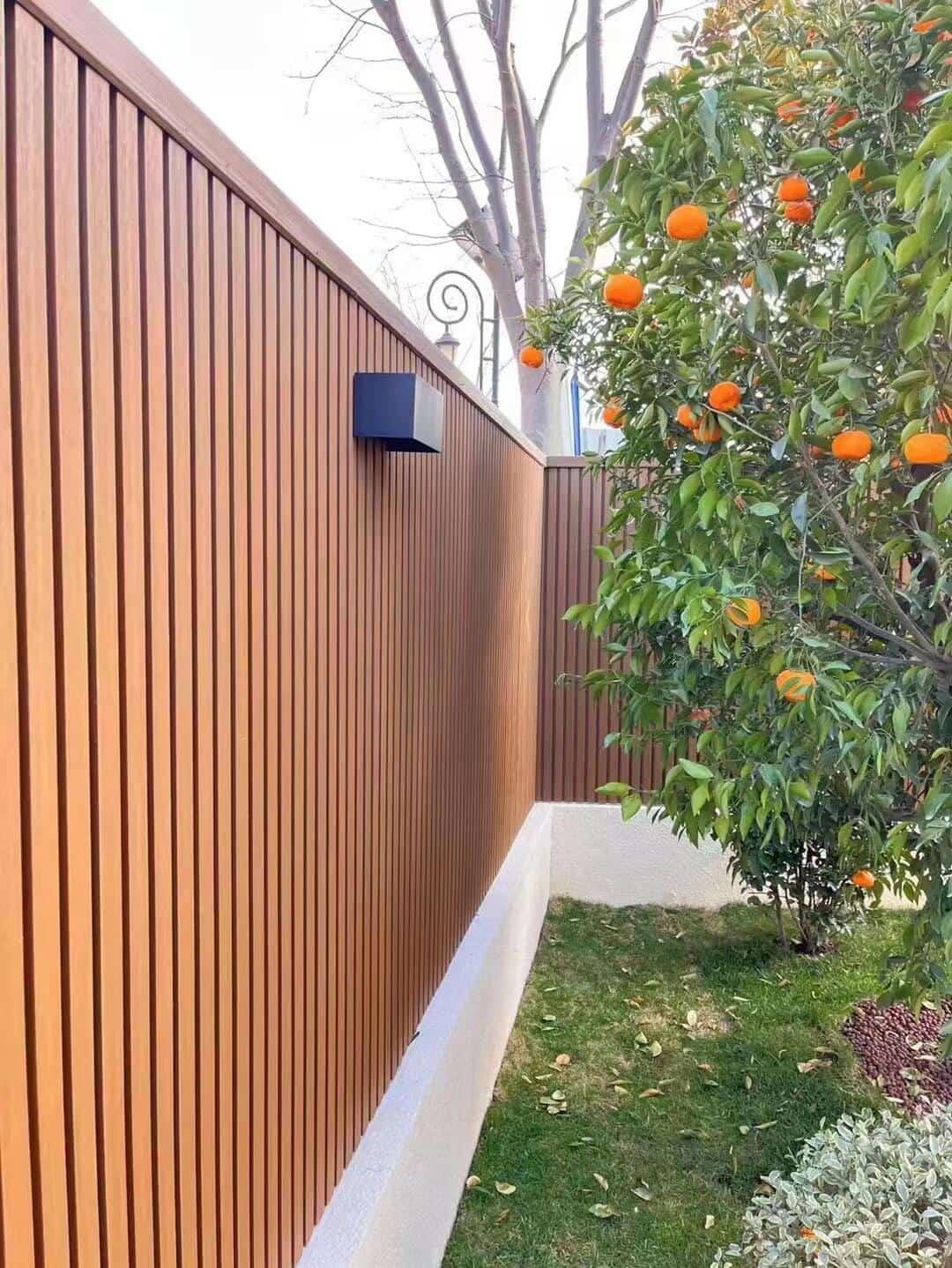
Unlike traditional timber, which primarily expands across its width due to moisture absorption, wood-plastic composite is a thermoplastic material that expands linearly along its length when exposed to heat. Understanding this fundamental physical difference is the key to a successful project. When specifying Exterior Wood Plastic Composite Cladding, contractors must prioritize the critical necessity of ventilated rainscreen systems and proper thermal expansion management for modern facade engineering.
The Rainscreen Principle: Managing Moisture and Heat
A common and catastrophic mistake in modern construction is mounting composite exterior panels flush against the building's weather-resistant barrier (WRB) or exterior sheathing. This rigid, zero-clearance installation traps both liquid water and intense solar heat, leading to premature material degradation and potential rot in the building's structural framing.
Best practices dictate that Weather Resistant Composite Facade Boards must be installed using a ventilated rainscreen approach. This engineering method involves attaching a grid of vertical battens (joists) to the structural wall, creating a mandatory continuous air cavity—typically 25mm to 30mm (1 to 1.2 inches) deep—between the back of the cladding and the building envelope. This continuous cavity serves two vital functions:
First, it provides a capillary break. Any driving rain that penetrates the seams of the cladding simply drips harmlessly down the back of the board and exits the bottom of the wall, ensuring the primary building structure remains completely dry. Second, the cavity creates a convective thermal draft. As midday sun heats the facade, the hot air behind the panels naturally rises and vents out the top, drawing cooler ambient air in from the bottom baseboard. This continuous airflow drastically reduces the surface temperature of the composite boards, inherently minimizing the severity of thermal expansion.
The Physics of Thermal Expansion
Because WPC contains high-density polyethylene (HDPE) or other advanced polymers, it has a specific Coefficient of Linear Thermal Expansion (CLTE). When a dark-colored facade is exposed to direct southern or western sunlight, the board's surface temperature can easily exceed the ambient air temperature by up to 30°C. This intense solar load causes the molecular chains within the plastic to elongate. A standard 3-meter (approx. 10-foot) WPC panel can physically expand by 3mm to 6mm in length during the peak heat of summer.
If framing crews treat WPC like traditional wood and drive screws rigidly through the face of the board at multiple points, the panel becomes physically locked. When the board attempts to expand under the afternoon sun, the internal kinetic stress builds up until it inevitably forces the board to buckle outward or shear the screw heads entirely. Successfully managing thermal expansion in Commercial WPC Wall Cladding Panels requires abandoning face-fastening techniques and utilizing the manufacturer's dedicated hidden clip system. These specialized metal or plastic clips hold the board securely to the wall against heavy wind loads, while allowing the board to silently slide back and forth along its longitudinal axis as temperatures fluctuate.
Substructure Material Selection
The integrity of the rainscreen cavity depends entirely on the battens used to construct it. Using cheap, untreated softwood battens behind a premium WPC facade is a severe procurement error. If the wooden battens rot, warp, or split over time, the entire composite facade will fail, regardless of the WPC panel's quality.
For high-end commercial applications, aluminum hollow-section joists are the gold standard. They are perfectly straight, impervious to moisture, and completely immune to rot and insect damage. Alternatively, utilizing structural-grade WPC joists or highly treated, kiln-dried timber can provide excellent performance, provided they are thoroughly protected with a waterproof flashing tape before the cladding clips are installed.
Critical Installation Tolerances
To guarantee a flawless, warp-free installation, site managers must strictly enforce the following engineering tolerances before authorizing the cladding phase:
| Engineering Parameter | Commercial Specification Standard | Consequence of Failure |
|---|---|---|
| Maximum Batten Spacing | Typically 300mm to 400mm (12" to 16") on center, vertically. | Excessive spacing causes wind-load deflection and mid-board sagging. |
| Air Cavity Depth | Minimum 25mm (1 inch) continuous gap behind the boards. | Restricted airflow traps heat, multiplying thermal expansion rates. |
| End-to-End Gapping | Must be calculated based on ambient temperature at the exact time of installation. | Insufficient gaps cause butt-joints to crash and buckle during peak summer heat. |
| Fastening Protocol | Strict use of hidden sliding clips. One fixed center-pin is allowed to control directional movement. | Rigid face-screwing locks the board, guaranteeing extreme buckling and cracking. |
| Top and Bottom Vents | Mesh vents must be installed at the base and roofline of the cavity. | Lack of venting stifles the thermal draft; lack of mesh invites insect and rodent infestations. |
Protecting the Investment
WPC wall cladding is one of the most reliable and visually striking exterior finishes available in the commercial building sector, provided it is treated as a complete engineering system rather than just a decorative veneer. By respecting the thermodynamic nature of advanced polymers, enforcing strict end-to-end gapping, and ensuring the seamless implementation of a ventilated rainscreen cavity, contractors can guarantee their facade installations will remain perfectly straight, highly secure, and breathtakingly beautiful for decades to come.
- How to Calculate WPC Decking Quantities for Large Projects: Board Coverage, Waste and Accessories
- WPC Decking for Rooftop Terraces: Load Planning, Drainage and Waterproofing Risks
- What Technical Documents Should You Request from a WPC Wall Cladding Manufacturer?
- How to Maintain WPC Wall Cladding Color Consistency in Large Projects
- How to Calculate WPC Wall Cladding Quantities: Panel Coverage, Cutting Waste and Accessories
- WPC Exterior Wall Cladding for Building Renovation: How to Check Substrates, Fixings and Ventilation
- WPC Decking for Hotels and Resorts: How to Choose Materials for Outdoor Areas
- WPC Decking for Commercial Projects: How to Specify Boards for Traffic and Climate