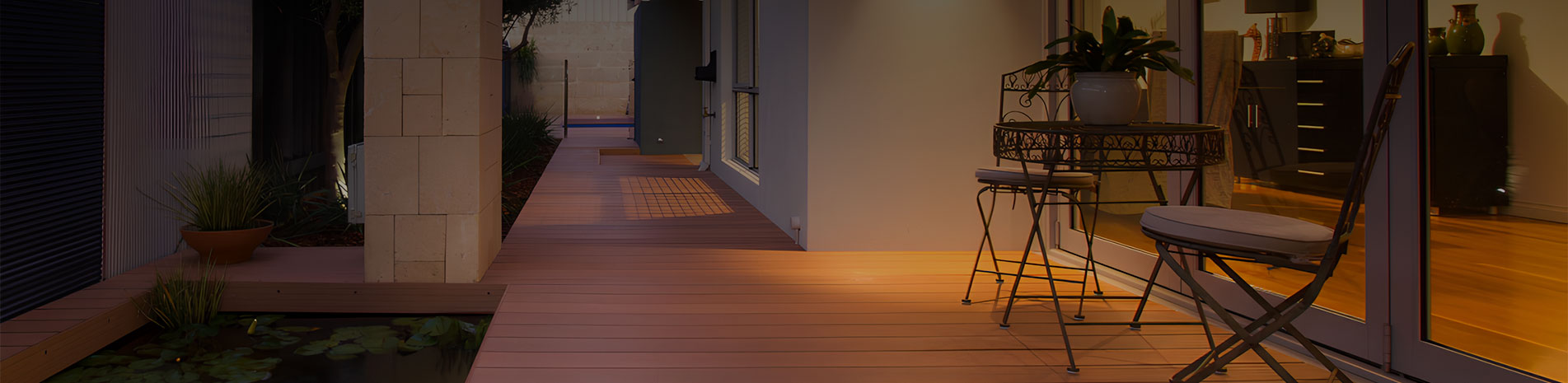
Where Classic WPC Decking Works Best: 4 Project Types for Uncapped Composite Boards
May, 27 2026
In commercial decking projects, material failure is rarely caused by the decking board alone. More often, problems begin when the board type, site environment, installation method, drainage condition, and maintenance expectation do not match each other. This is especially true for first-generation, uncapped Wood-Plastic Composite decking.
Classic WPC decking is not designed to replace every outdoor flooring material. However, when it is used in the correct environment, commercial grade uncapped composite decking can offer a highly balanced solution between natural appearance, structural stability, procurement cost, and long-term maintenance efficiency. For developers, contractors, landscape designers, and procurement managers, the key is not simply asking whether WPC is good or bad. The more important question is: where does classic WPC deliver the best value?
This guide explains the practical application boundaries of Classic WPC Decking, identifies the most suitable project environments, and provides a deeper procurement checklist for evaluating an uncapped composite decking supplier.
What Is Classic WPC Decking?
Classic WPC decking, also known as uncapped composite decking, is made from a combination of wood fiber, plastic resin, additives, color pigments, and stabilizers. Unlike capped composite decking, it does not have a protective polymer shell covering the surface. This gives the board a more natural, matte, wood-like texture, but it also means that the board surface remains more exposed to moisture, grease, UV light, and staining agents.
For this reason, classic WPC decking boards should be specified with a clear understanding of the installation environment. In covered, ventilated, low-grease, and properly drained spaces, they can provide excellent performance. In constantly wet, poorly ventilated, or heavy-stain environments, capped composite or alternative materials may be more suitable.
The Most Important Rule: Avoid High-Risk Environments
Before discussing where classic WPC works best, it is important to define where it should not be used. First-generation uncapped WPC, often specified as Traditional Uncapped Wood Composite Decking, should generally be avoided in heavy-grease commercial kitchen areas, unprotected outdoor barbecue zones, marine-submerged applications, and locations where standing water cannot evaporate. These conditions increase the risk of staining, surface contamination, moisture absorption, and dimensional movement.
Zero-clearance ground installation is another common mistake. If wood plastic composite decking boards are installed directly over soil or concrete without sufficient sub-deck ventilation, trapped moisture can accumulate under the boards. Over time, this may cause cupping, swelling, mold growth, or premature deterioration. A reliable supplier should always provide minimum ground clearance and ventilation requirements before the project begins.
Application 1: Garden Paths and Residential Landscape Decks
Garden paths, courtyard decks, residential landscape platforms, and community walkways are some of the most suitable applications for classic WPC. These projects usually require a warm, natural appearance that blends well with plants, stone, gravel, and timber-style landscape elements. Compared with glossy plastic boards, Matte Finish Classic WPC Boards have a softer visual effect and a more organic surface texture.
For landscape designers, the brushed or sanded surface of outdoor WPC decking solutions can create a more comfortable visual transition between architecture and nature. This is especially valuable in private gardens, villa courtyards, public green spaces, and low-rise residential developments where the deck should not look overly industrial.
However, buyers should not rely on appearance alone. For garden paths and public walkways, slip resistance is a critical safety factor. Before confirming the final specification, procurement teams should request third-party slip test data for the exact surface texture being purchased. A responsible uncapped composite decking supplier should be able to provide technical data, installation guidelines, and realistic maintenance advice.
Application 2: Multi-Family Apartment Balconies
Apartment balconies are another strong application for commercial WPC decking material. In large residential developments, developers often need to cover hundreds or thousands of square meters of balcony flooring. Choosing premium capped composite boards for every balcony may significantly increase the total project cost, while traditional timber requires regular sealing, staining, sanding, and replacement.
Classic WPC offers a practical middle ground. It gives property owners a wood-like appearance without the demanding maintenance cycle of natural timber. In many apartment buildings, balconies are partially protected by the balcony above. This architectural layout reduces direct rainfall, slows UV exposure, and creates a more stable micro-environment for the decking surface.
For property managers, the maintenance advantage is significant. Instead of organizing frequent timber treatment across hundreds of private units, classic WPC usually requires only periodic cleaning with water, mild detergent, and a soft brush. This makes classic WPC decking boards a cost-effective option for balcony upgrades, rental apartments, student housing, and condominium renovation projects.
Application 3: Covered Commercial Walkways
Covered commercial walkways, resort corridors, university breezeways, shopping mall outdoor passages, and hotel connection paths often require large volumes of decking material. Since these areas are usually protected by roofs or canopies, the flooring is not continuously exposed to direct rain or intense sunlight.
In this type of environment, specifying premium capped decking may sometimes be unnecessary over-engineering. Covered walkway composite decking made from classic WPC can provide the required rigidity, attractive appearance, pest resistance, and stable walking surface at a more competitive project cost.
The key is to confirm the expected pedestrian load, joist spacing, fire performance requirements, and surface slip resistance before ordering. For commercial projects, the buyer should avoid choosing a board based only on price per meter. Profile structure, wall thickness, board density, and installation accessories all affect the long-term performance of the system.
Application 4: Eco-Resort Viewing Platforms and Covered Nature Decks
Eco-resorts, forest lodges, mountain cabins, nature parks, and scenic viewing platforms often require decking that looks natural rather than artificial. In these settings, a highly glossy plastic surface may conflict with the surrounding landscape. Classic WPC, by contrast, develops a more muted and natural appearance over time.
Because uncapped WPC contains exposed wood fibers, the surface may go through an initial weathering stage after installation. This is not necessarily a defect. When properly explained to the client, the color softening process can become part of the product’s natural appeal. For shaded viewing decks, covered retreat patios, and low-impact tourism structures, wood plastic composite decking boards can create a comfortable and organic outdoor experience.
Application 5: Budget-Controlled Public Renovation Projects
Another important use case is public renovation. Parks, community centers, school outdoor areas, leisure facilities, and municipal landscape upgrades often face strict budget limits. These projects still require a durable and visually acceptable decking solution, but they may not have the budget for high-end capped composite systems.
In these cases, commercial grade uncapped composite decking can help balance cost and performance. It is more stable than traditional wood in many outdoor applications and requires less maintenance over time. When installed with correct spacing, drainage, and ventilation, it can serve as a practical long-term flooring material for public-use areas with moderate exposure.
Key Technical Factors Before Choosing Classic WPC Decking
Choosing the right commercial WPC decking material requires more than comparing color and price. A complete evaluation should include board structure, raw material formula, surface treatment, installation system, moisture control, and after-sales technical support. Below are the main factors procurement managers should check before placing an order.
Procurement Checkpoint
Why It Matters
1. Board Profile Drawing
The profile drawing shows whether the board is solid, round-hole hollow, or square-hole hollow. This affects strength, weight, water drainage, fastening method, and installation suitability.
2. Board Weight Per Meter
Board weight is a useful indicator of density and material content. Extremely lightweight boards may have thinner walls, lower impact resistance, or reduced long-term stability.
3. Slip Resistance Report
Commercial and public projects should request slip test data for the selected surface texture. This is especially important for walkways, balconies, parks, and hospitality projects.
4. Joist Spacing Recommendation
Incorrect joist spacing may lead to board deflection or an unstable walking surface. Ask the supplier for recommended spans under residential and commercial loading conditions.
5. Ventilation Requirement
Classic WPC should not be installed in trapped-moisture conditions. Minimum ground clearance and airflow requirements help prevent moisture-related movement and warranty disputes.
6. Expansion Gap Guidance
WPC expands and contracts with temperature changes. The supplier should provide clear end-to-end and side-to-side gap recommendations for different climates.
7. End Cap and Fascia System
Hollow boards need proper finishing solutions to protect exposed ends, improve appearance, and reduce insect or debris accumulation inside the profile.
8. Color Weathering Expectation
Uncapped WPC may experience initial color softening after outdoor exposure. Buyers should ask for realistic color fading information and sample comparison photos.
9. Fastener Compatibility
Hidden clips, screws, joists, and accessories should be compatible with the board profile. A complete decking system reduces installation errors and project delays.
10. Factory Quality Control
Ask about raw material control, extrusion consistency, dimensional tolerance, packaging method, and batch color management before confirming a bulk order.
Classic WPC vs. Capped Composite Decking
Many buyers compare classic WPC with capped composite decking. The difference is not simply “low-end” versus “high-end.” The better choice depends on the project environment and budget target. Capped composite decking has a protective surface layer, which usually improves stain resistance, color retention, and cleaning performance. It is often preferred for exposed terraces, poolside decks, restaurants, and high-stain areas.
Classic WPC, however, can be more cost-effective for covered or semi-protected spaces. It also offers a more natural matte texture, which may be preferred in landscape, eco-resort, garden, and residential balcony applications. When the project does not require maximum stain resistance, classic WPC decking boards can provide excellent value without unnecessary material cost.
Installation Advice for Better Long-Term Performance
Proper installation is essential for any composite decking system. Even a high-quality board can fail if the substructure is poorly designed. For outdoor WPC decking solutions, installers should pay close attention to drainage slope, board spacing, joist alignment, fastening method, and ventilation below the deck.
The deck should never be installed in a way that traps water under the boards. End gaps should be adjusted according to local temperature variation, and the installer should follow the supplier’s recommended spacing rather than applying timber installation habits directly to WPC. For commercial projects, pre-installation mockups are also recommended to confirm appearance, walking feel, drainage, and fastening details.
Conclusion: Use Classic WPC Where It Creates the Most Value
This Cost Effective Uncapped Composite Flooring is not a universal material for every outdoor environment, but it remains a highly practical choice when correctly specified. For garden paths, residential landscapes, apartment balconies, covered commercial walkways, eco-resort platforms, and budget-controlled public renovation projects, commercial grade uncapped composite decking can deliver an excellent balance of appearance, durability, and cost efficiency.
The most successful projects begin with realistic material selection. Avoid high-risk environments, confirm technical data, follow professional installation guidelines, and work with an experienced uncapped composite decking supplier that understands both product manufacturing and project application. When these conditions are met, classic WPC becomes more than a budget option. It becomes a smart value-engineering solution for long-term outdoor flooring performance.